
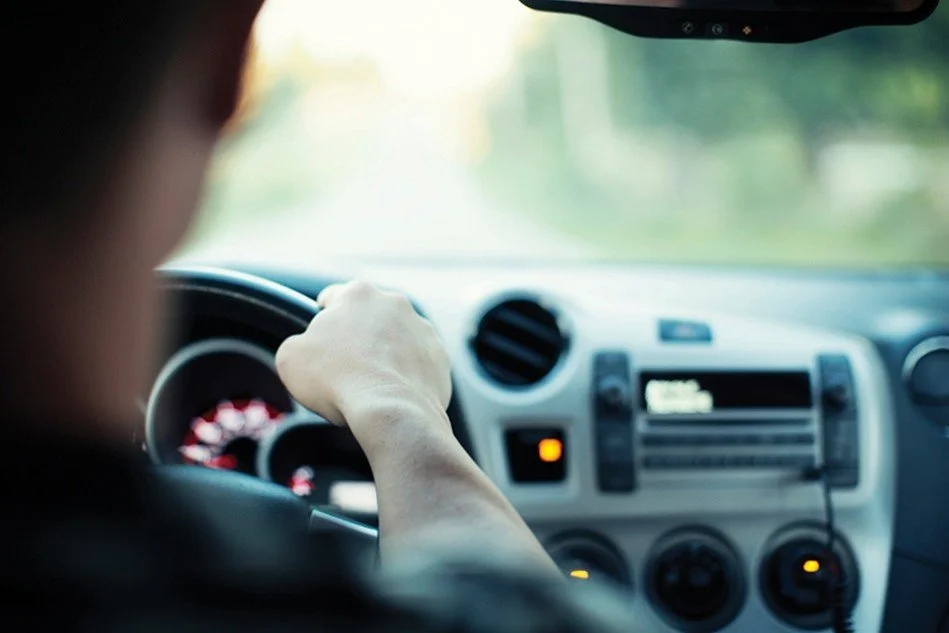
Federal regulators are moving closer to implementing new vehicle safety requirements that could significantly change how Americans drive. Under a mandate passed as part of the 2021 Infrastructure Investment and Jobs Act, all new vehicles sold in the United States may soon be required to include technology capable of detecting impaired driving and preventing a vehicle from operating if impairment is detected.
The provision, often referred to as the Halt Drunk Driving Act, directs the National Highway Traffic Safety Administration (NHTSA) to establish permanent safety standards for impaired-driving detection systems.
The law originally set a deadline of 2024 for these standards, though Congress later granted regulators additional time. Another deadline now looms, and unless lawmakers intervene, the requirement will move closer to full implementation.
The goal of the measure is to reduce the number of accidents caused by drunk or impaired drivers, a longstanding problem on U.S. roads. To achieve that, regulators have authorized a range of technologies that could be used in new vehicles. These include sensors that monitor a vehicle’s interior air for traces of alcohol, fingertip systems that analyze blood alcohol content, and camera-based systems that track eye movement, head position, and general driver attentiveness. Once final rules are issued by the NHTSA, automakers would be required to integrate one or more of these systems into new vehicles nationwide.
Depending on how the technology is deployed, vehicles could warn drivers, limit vehicle functions, or in some cases prevent a car from starting if impairment is detected.
Automakers have warned that the technology is not yet ready for widespread use. Industry groups argue that current systems can produce false positives, particularly for drivers with natural eye or head movements, certain medical conditions, or signs of fatigue unrelated to alcohol or drug use. Manufacturers have expressed concern about reliability, liability, and consumer acceptance.
Civil liberties advocates and some elected officials have also raised objections, warning that continuous monitoring inside private vehicles raises privacy concerns.
Critics argue that tracking drivers’ physical movements each time they enter their car crosses a line, effectively turning vehicles into surveillance platforms. Opposition intensified after some lawmakers characterized the technology as an “AI kill switch,” suggesting it could allow vehicles to be disabled without driver consent.
Florida Governor Ron DeSantis compared the concept to George Orwell’s novel 1984 in a post on social media, warning of excessive government control.
Despite mounting criticism, efforts to stop the program have so far failed. A Republican-led attempt to strip funding for the impaired-driving detection mandate was defeated in the U.S. House last month by a vote of 268–164. A separate bill that would repeal the requirement entirely is still awaiting committee action. The NHTSA has said it is continuing to assess developing technologies and plans to report back to Congress. Even supporters of the law expect regulators to delay final decisions until at least 2027, after which automakers would likely be given two to three additional years to comply.
As debate continues, the issue highlights a broader tension between public safety, technological oversight, and personal privacy—one that could reshape the future of driving in the United States.
Biblical Connections: While no one wants impaired drivers on the road, this type of technology even existing sets a potentially dangerous precedent. During the Tribulation, the Bible says that the Antichrist will be able to control the global economy. With this type of technology available, he very well may be able to stop believers during the Tribulation from doing even normal things like driving their cars.
PRAY: Pray that as technology continues to advance for it to be used responsibly and biblically.