
Crisis-Driven Global Economy
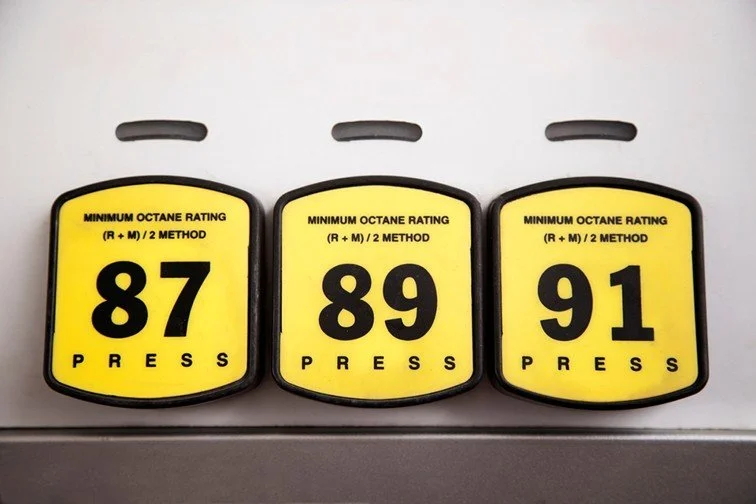
As gasoline prices climb above $4 per gallon amid back-and-forth negotiations with Iran and disruptions to global oil supply routes, economists and consumers alike are confronting a familiar question: how far-reaching will the impact be? For some Christian observers, however, the current moment is doing more than highlighting economic vulnerability—it is offering a potential glimpse into what a future, crisis-driven global economy might resemble. The recent spike in energy costs has been driven in part by instability in the Middle East, including threats to critical shipping lanes such as the Strait of Hormuz. Because a significant portion of the world’s oil supply passes through that narrow corridor, any disruption can quickly ripple through global markets. The result is immediate and visible: higher fuel costs, increased transportation expenses, and growing pressure on household budgets.
But the effects do not stop at the gas pump. Rising energy prices tend to work their way through nearly every sector of the economy. Shipping becomes more expensive, airlines raise fares, food production costs increase, and utilities climb. Businesses facing higher overhead often pass those costs onto consumers, contributing to broader inflation. At the same time, households—spending more on essentials like gas and electricity—cut back on discretionary purchases, slowing economic growth.
This combination of rising prices and tightening consumer activity creates a challenging environment—one that economists sometimes describe as “stagflation.” Yet for many who study biblical prophecy, the pattern bears resemblance to descriptions found in passages such as Revelation 6, which speaks of economic hardship, scarcity, and sharply inflated prices for basic goods during the Tribulation period. While such comparisons remain interpretive, the parallels are notable. Scripture describes a time when everyday necessities become disproportionately expensive, suggesting strained supply chains and limited access to resources. In today’s terms, analysts might describe such a system as one under significant geopolitical pressure, where conflict disrupts production and distribution on a global scale.
Current events demonstrate how quickly such conditions can begin to take shape. Even a partial disruption in oil flow has triggered price increases worldwide. If a larger or more sustained conflict were to occur—impacting multiple regions or lasting for an extended period—the resulting economic strain could be far more severe. In such a scenario, shortages, rationing, or extreme price volatility could become more common, particularly for essential commodities.
Another factor worth noting is how interconnected the modern global economy has become. Supply chains stretch across continents, and disruptions in one region can create cascading effects elsewhere. This interconnectedness, while efficient in stable times, can amplify instability during crises—potentially aligning with descriptions of widespread economic distress found in Revelation. The rapid rise in energy prices, driven largely by geopolitical conflict, underscores how external shocks can quickly reshape economic conditions. It also reveals how dependent modern life remains on consistent access to affordable energy, a dependency that, if significantly disrupted, could have far-reaching consequences.
For some observers, this moment is less about predicting specific outcomes and more about recognizing patterns. The current economic strain illustrates how a combination of conflict, supply disruption, and global interdependence can lead to rising costs and reduced purchasing power—conditions that echo broader themes of hardship and instability. Whether viewed through an economic or theological lens, one conclusion is clear: events unfolding today demonstrate just how quickly the foundations of everyday economic life can shift when global systems are put under stress. And for many, that realization alone is worth watching closely.
PRAY: Pray that this economic chaos will subside but also be reminded to be diligent in our evangelistic efforts.